614-362-4202 info@orysonpress.com
Our website is undergoing some maintenance work


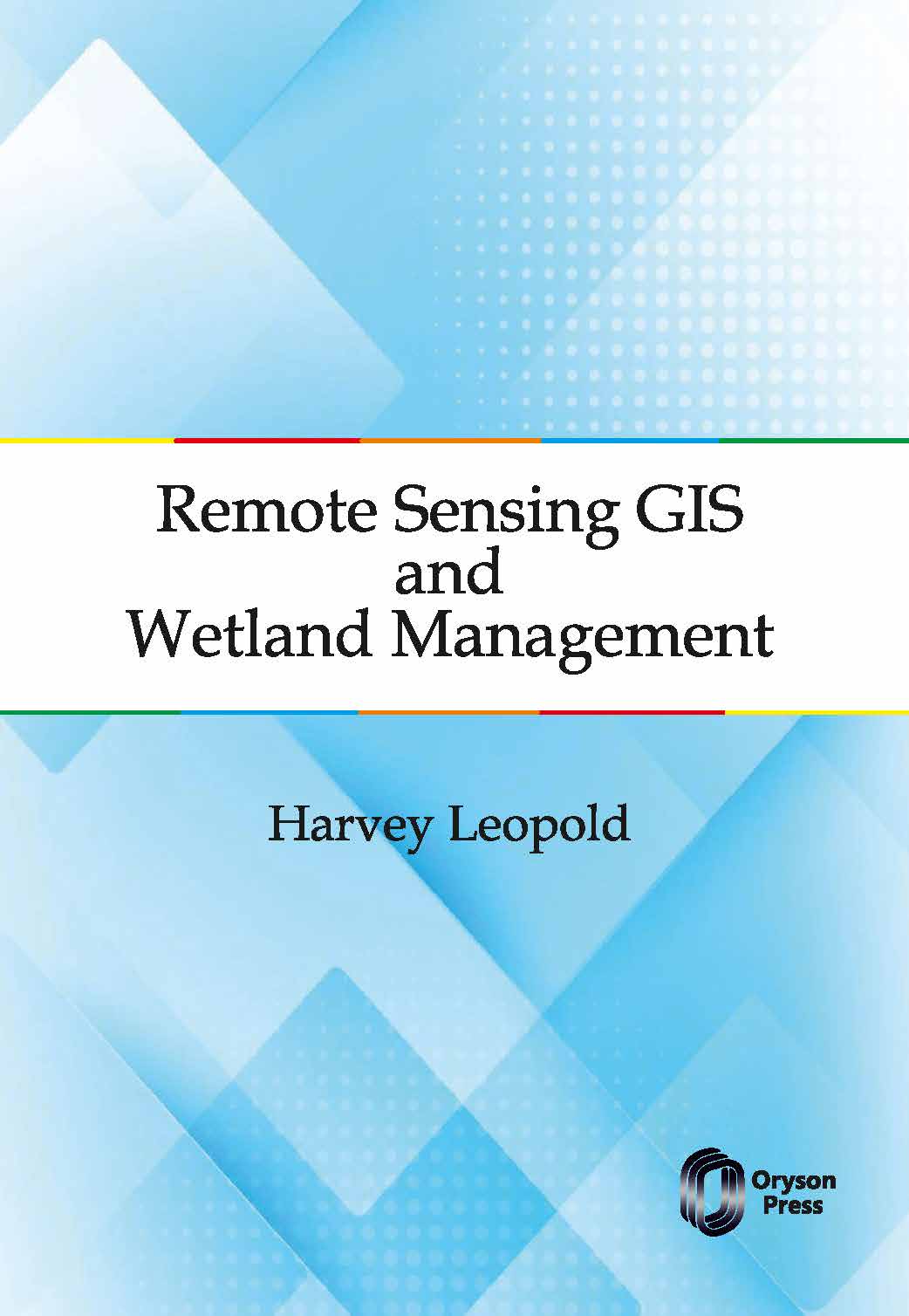

Remote Sensing GIS and Wetland Management
Harvey Leopold
$139.99
ISBN:9798887154244
Pages:320
Binding: Hardcover
Language: English
Description
“Remote sensing and GIS is the acquisition of information about an object or phenomenon without making physical contact with the object, in contrast to in-situ or on-site observation. The term is applied especially to acquiring information about Earth and other planets. Remote sensing is used in numerous fields, including geophysics, geography, land surveying and most Earth science disciplines
(e.g., hydrology, ecology, meteorology, oceanography, glaciology, geology) it also has military, intelligence, commercial, economic, planning, and humanitarian applications, among others. In current usage, the term remote sensing generally refers to the use of satellite- or aircraft-based sensor technologies to detect and classify objects on Earth. It includes the surface and the atmosphere and oceans, based on propagated signals (e.g. electromagnetic radiation).
Wetlands are resources of paramount importance with many values and functions that need proper management for their continued functioning and the delivery of benefits to the community. Sustained functioning of wetlands requires proper use of land and management of water. It is commonly said that increased human activities have had negative impacts on wetlands and they are on the verge of total collapse due to altered flows. Nevertheless, these beliefs are little supported by quantitative data.
This book sheds light on both these topics in detail with great insights to share. It is useful for students, researchers as well as people from the industry. “
Additional information
| Author | Harvey Leopold |
|---|---|
| ISBN | 9798887154244 |
| Year of Publication | 2025 |